.png)
Small _____. Big Impact.
- azupnick
- 2 hours ago
- 2 min read
Growing up, I always felt particularly excited for the first day of school. Perhaps it was the opportunity to see my friends again, meet my teachers, or perhaps it was simply that I was always excited to learn. Education has been a passion of mine for as long as I can remember. When asked, I would always say, “I want to be a teacher when I grow up,” and that passion and excitement has never wavered.
Similarly, once I graduated and got my first teaching job, I always looked forward to back-to-school teacher meetings. Setting up my classroom, preparing for my students, diving into new concepts and growing as a teacher always excited me.
Now, having been on the other side of back-to-school teacher meetings, I understand that this time can be viewed through a different lens. Teachers put in endless hours, often late at night and over breaks. They value their time and their energy, and they want both to be spent with intention.
This year, our PHA faculty came back for three days of time together. Time to get settled back into the groove of the year. Time to unpack, set up and prepare. And time to learn and grow as a team.
Like most schools, there was plenty we needed to cover. Procedures, schedules, expectations, new initiatives and all of the nuts and bolts that come with opening our doors for another year.
But some of the most important time we spent together wasn't about any of those things.
We talked.
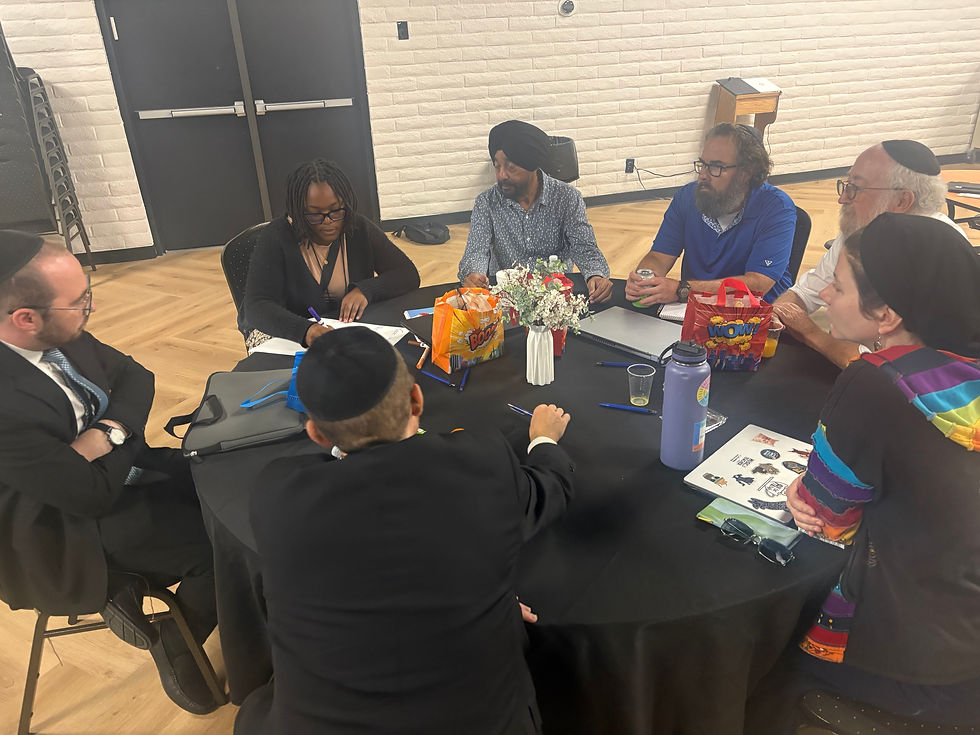

Some of the best ideas in a school don't come from the top down. They come from putting thoughtful educators in a room together, asking the right questions and giving them the time to really talk.
One of our goals this year is to become more intentional about the data we collect and, more importantly, what we do with it. Rather than beginning that work by introducing a new system or handing teachers another requirement, we started with a conversation.
We asked our teachers: What data are you already collecting? Where does it live? And what happens to that information once you have it?
Teachers shared the different ways they assess student progress, the information they keep formally and informally and the systems that are already working well. Together, we also began to identify where there are gaps and opportunities to create greater consistency across our school.
Our goal isn't to collect more data simply for the sake of having it. We want to collect meaningful data so that we can give meaningful feedback. We want the information we gather about our students to help us understand them better, strengthen instruction and make thoughtful decisions about what comes next.
As we begin the school year, I want to continue prioritizing opportunities for these kinds of conversations. Opportunities to learn from one another, challenge our thinking and ultimately grow and become better for each and every one of our students.
Meaningful data matters. Meaningful feedback matters. But so does creating the time and space for the meaningful conversations that get us there.
Small Conversations. Big Impact.
Comments